
Between conferences and standardized testing, spring can be a busy time for California schools like yours. But there’s a bright spot that nutrition services can look forward to every year, along with spring break: sweet Ojai Pixie tangerines, perfect for student snacking!
What’s an Ojai Pixie Tangerine?
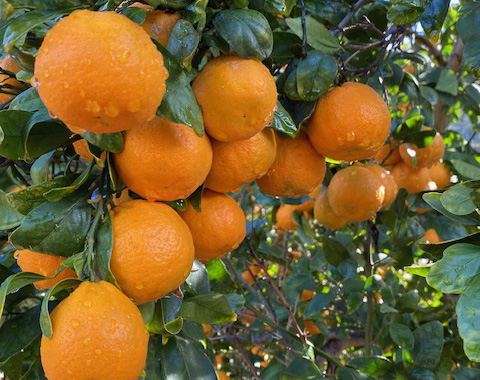
Ojai Pixie tangerines are a beloved variety of mandarin orange. Pixies grow across California, but Ojai Pixies are unique to the Ojai Valley in Ventura County, where small family farms grow them in just-right conditions to produce super-sweet fruit.
Why Do Students Love Ojai Pixies?
Pixies are known for their tiny size (hence the fairy-inspired name) and mouthwateringly sweet flavor as well as for being seedless, easy to peel, and a joy for snacking. Students love them for all of those characteristics: They’re quick to eat and easy to tuck in a pocket for later.
Meet the California Growers Behind the Fruit
The FruitGuys Farm-to-School Program sources Ojai Pixies directly from Ojai Pixie Packers, a family-owned cooperative of about forty farms in Ojai. We’ve worked with them for more than twenty years to bring the sweetest, freshest Ojai Pixies to the schools that we serve.
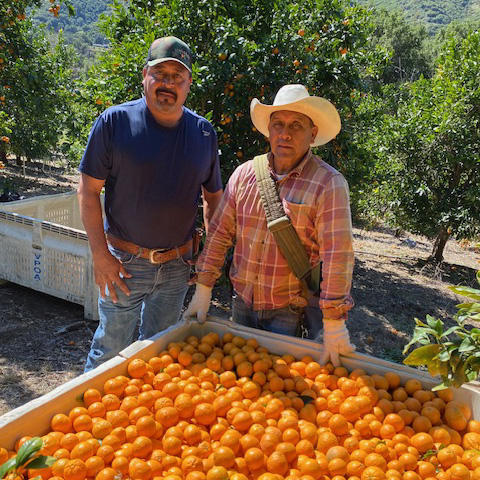
Friend’s Ranches is one of the many small family farms that make up Ojai Pixie Packers. It’s a fifth-generation family farm founded and run by women that covers four properties in Ojai. Farmer Emily Ayala and her husband, Tony, live at the Newsome Ranch at the east end of Ojai, while her parents live at the Sheldon Ranch ten miles west.
“The women in the family have always been integral to the running of Friend’s Ranches,” Emily told The FruitGuys. “My mother [Anne Thacher] is the president, and I’m the vice president.”
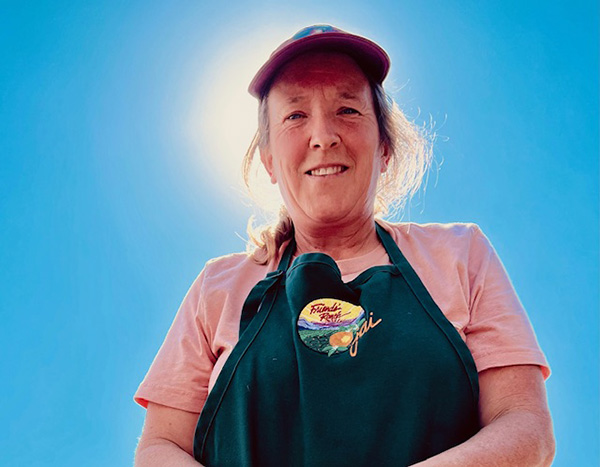
Friend’s Ranches grows some of the very best Pixies (they’ve traveled all the way to the White House!) along with more than forty other varieties of citrus and four types of avocados. They pick their Pixies to order whenever they can and keep them natural without waxes or preservatives.
When Is Ojai Pixie Season?
Ojai Pixies are a late-season citrus fruit, arriving just as winter shifts into spring. Farmers typically pick them in late February or early March and send them right over to The FruitGuys for distribution to schools like yours. They’re perfect for spring meals and snacks, so if your district works with The FruitGuys Farm-to-School Program, look for both Ojai Pixies and Pixies from other areas of California on our February and March price sheets.
A Peek at the 2026 Ojai Pixie Crop
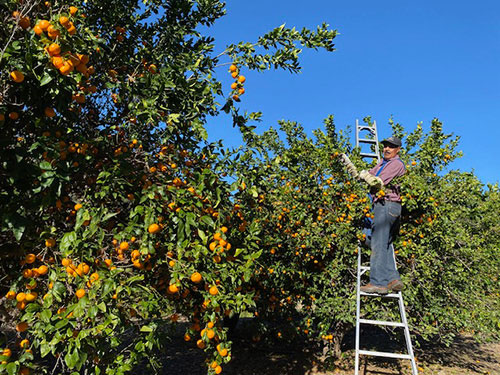
Pixie season is almost here, so we reached out to Emily at Friend’s Ranches for an update on her fruit. She told us that this year’s crop is smaller than usual, with larger-sized Pixies.
“We saw 20–30 inches of rain, depending on where you are in the valley. That’s pretty staggering for early-season rain, and rain causes the fruit to grow, so our big fruit is turning even bigger!” Emily explained, adding that this year’s fruits are “more like a small orange, about 3–4 inches in diameter.”
Some 2026 Ojai Pixies may also have a green tint to them. Pixies need cold weather to develop their bright orange color, and this was a warmer-than-usual winter. Still, Emily said that in taste-tests, she’s found the fruit is as wonderfully sweet and delicious as always. Because the crop is small, it’s sure to disappear quickly as schools, offices, and other Pixie lovers snap it up!
How to Order Ojai Pixie Tangerines for Your Schools
Ojai Pixies are local gems, and your students will love getting a taste. You can order fresh California-grown Ojai Pixie tangerines through The FruitGuys Farm-to-School Program during their short spring season. We typically offer multiple sizes of Pixies at different price points. If you’re already a Farm-to-School client, simply contact us to place your order.
Haven’t worked with us yet? Tell us a bit about your district and ask for our Ojai Pixie pricing—we’ll send it right over. If you purchase Pixies, you’ll also get access to our free student nutrition education materials and staff resources—including a Pixie Produce Card you can display alongside the fruit to help students learn as they snack.